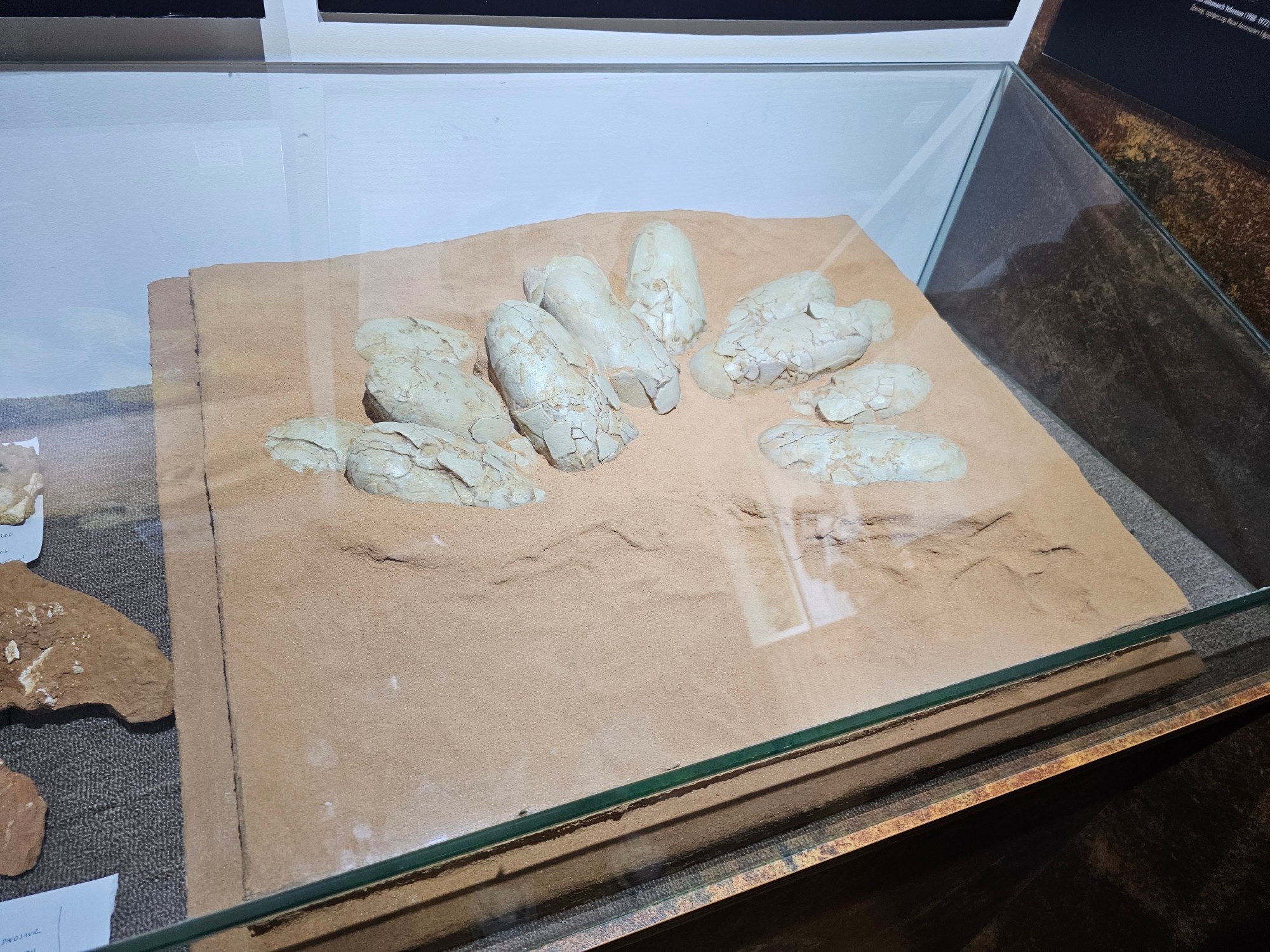
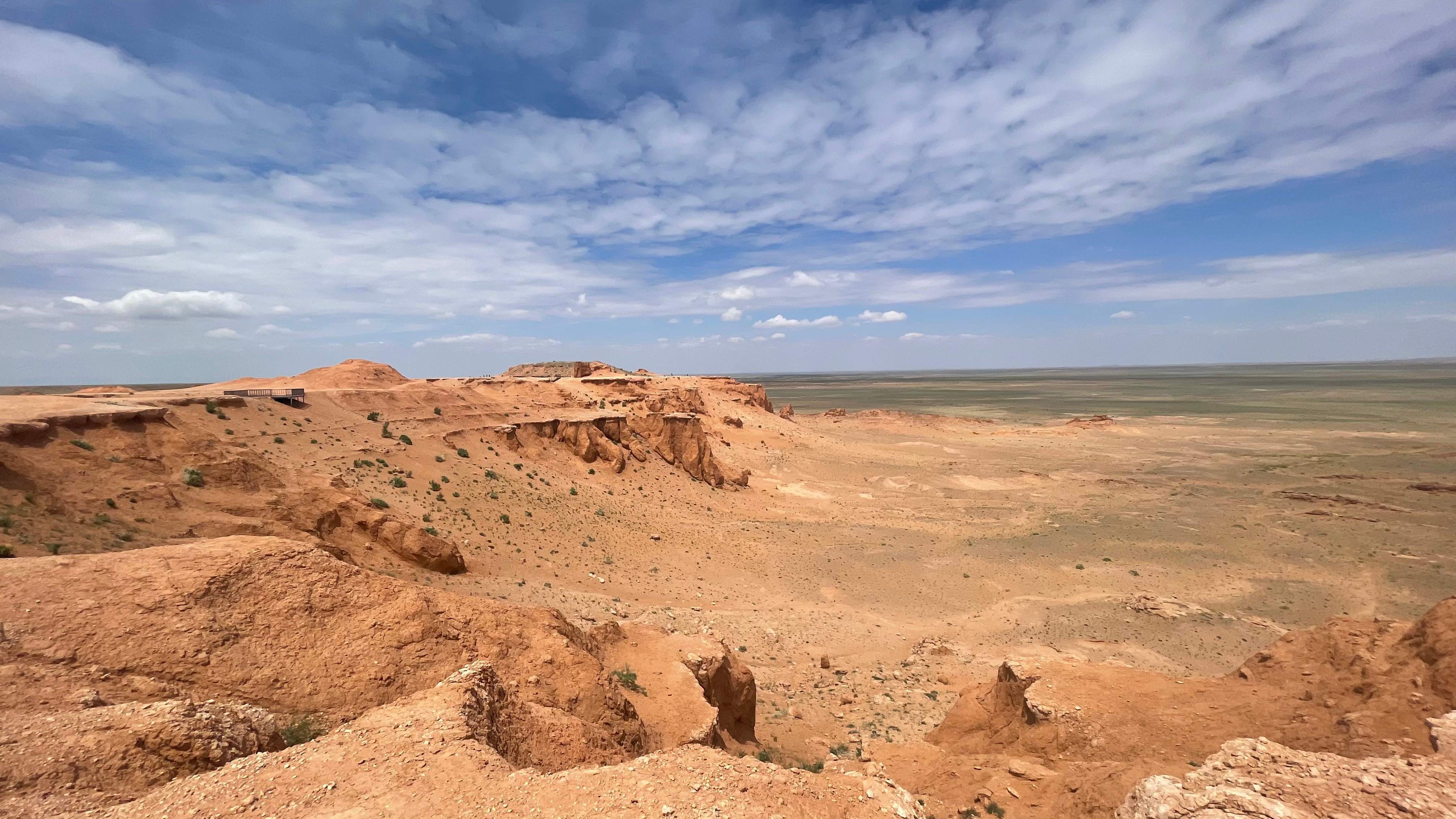
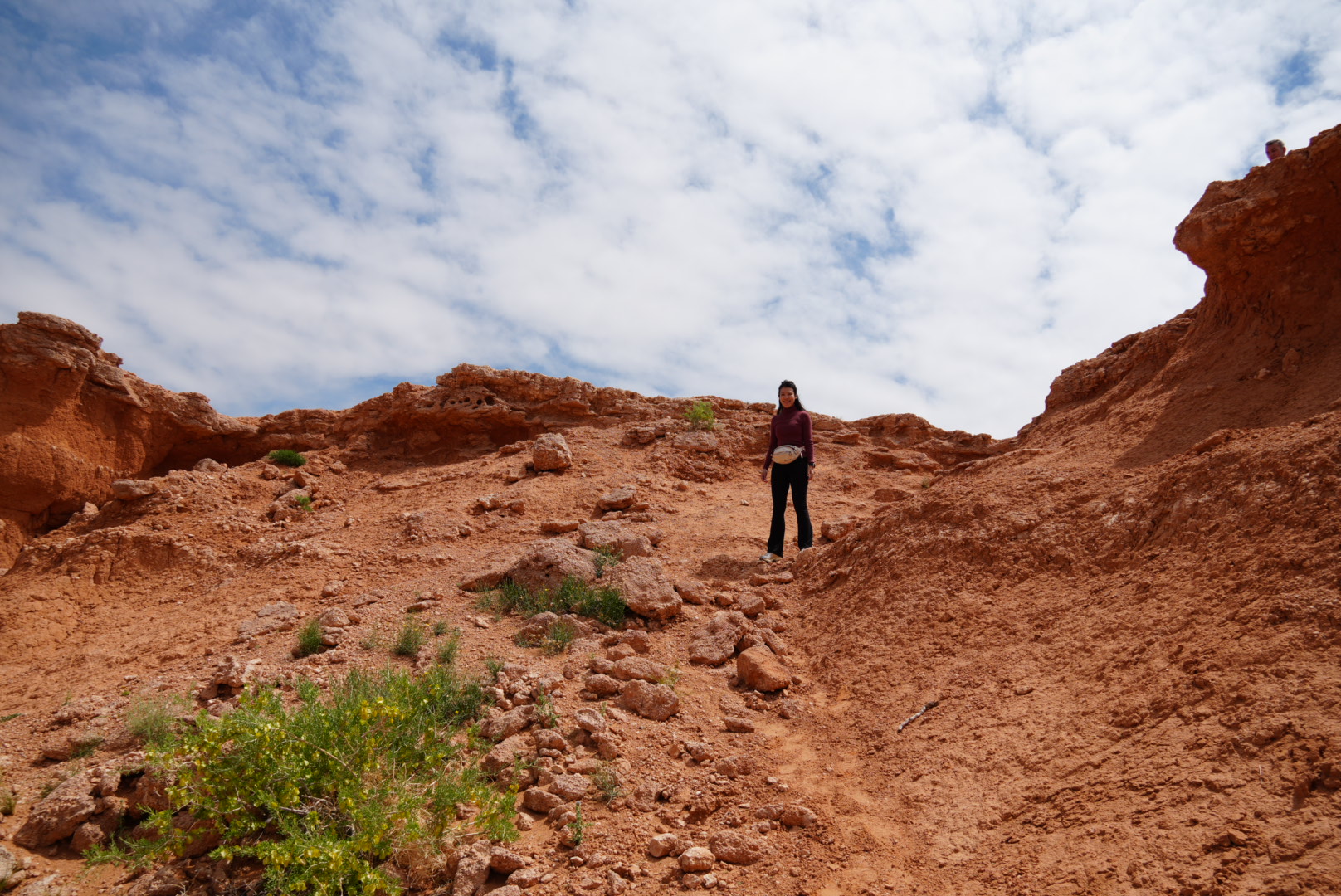
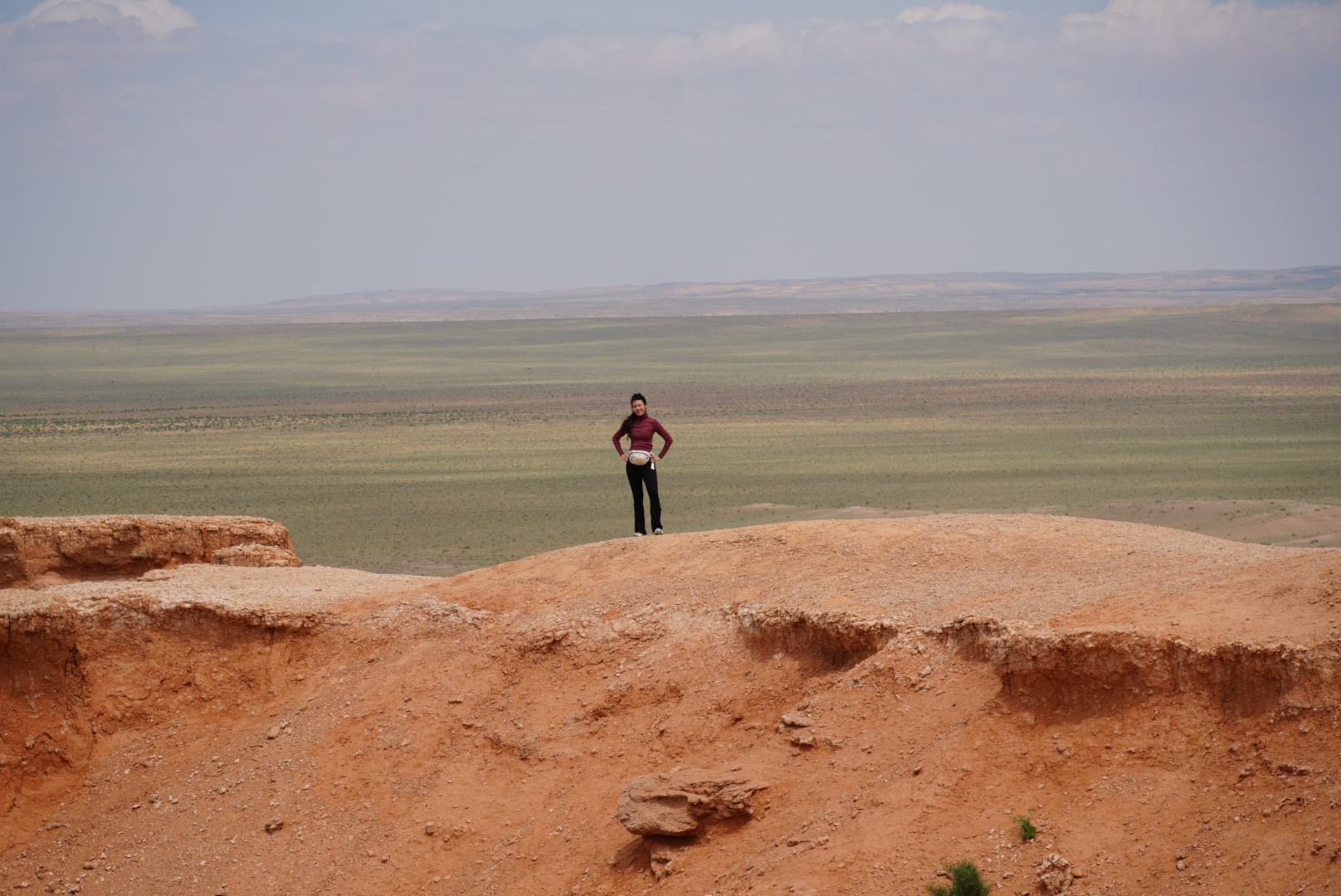
The Flaming Cliffs is an interesting one. The blazing red and orange hues of the limestone cliffs become most vibrant during sunset, giving the Cliffs its name. But perhaps, the area is most famous for the discovery of the first dinosaur eggs in the world.
Led by American paleontologist Roy Chapman Andrews in the 1920s, the expedition was a resounding success – he discovered a nest of dinosaur eggs; new species of dinosaurs, as well as other animals that co-existed with the giants that once roamed the world billions of years ago.
Interestingly, the original intent of this expedition wasn’t to hunt for dinosaurs. Instead, it was planned to investigate the origins of human life!
Did you know: Hollywood’s Indiana Jones is inspired by the real-life character based on Roy Chapman Andrews!

Another interesting tidbit: It wasn’t Roy Chapman Andrews who found the eggs. One of his crew member had stumbled upon the dinosaur nest when he accidentally fell off the cliff!
This expedition was also key in unearthing the first-known Oviraptor and the first-known Protoceratops. Paleontologists initially thought the eggs found near the Oviraptor were from Protoceratops, leading to the name “Oviraptor,” which means “egg thief,”. However, later research revealed that Oviraptor likely brooded its own eggs, not stole them. (source)
The expedition to the Gobi desert also uncovered a unique fossil: Two dinosaurs – a Velociraptor & a Protoceratops – locked in combat. In doing my research to corroborate with what we learned from the tour guide, I thought the American Museum of Natural History offered some great findings of what went down between the dinosaurs’ fight. Image below from AMNH too.

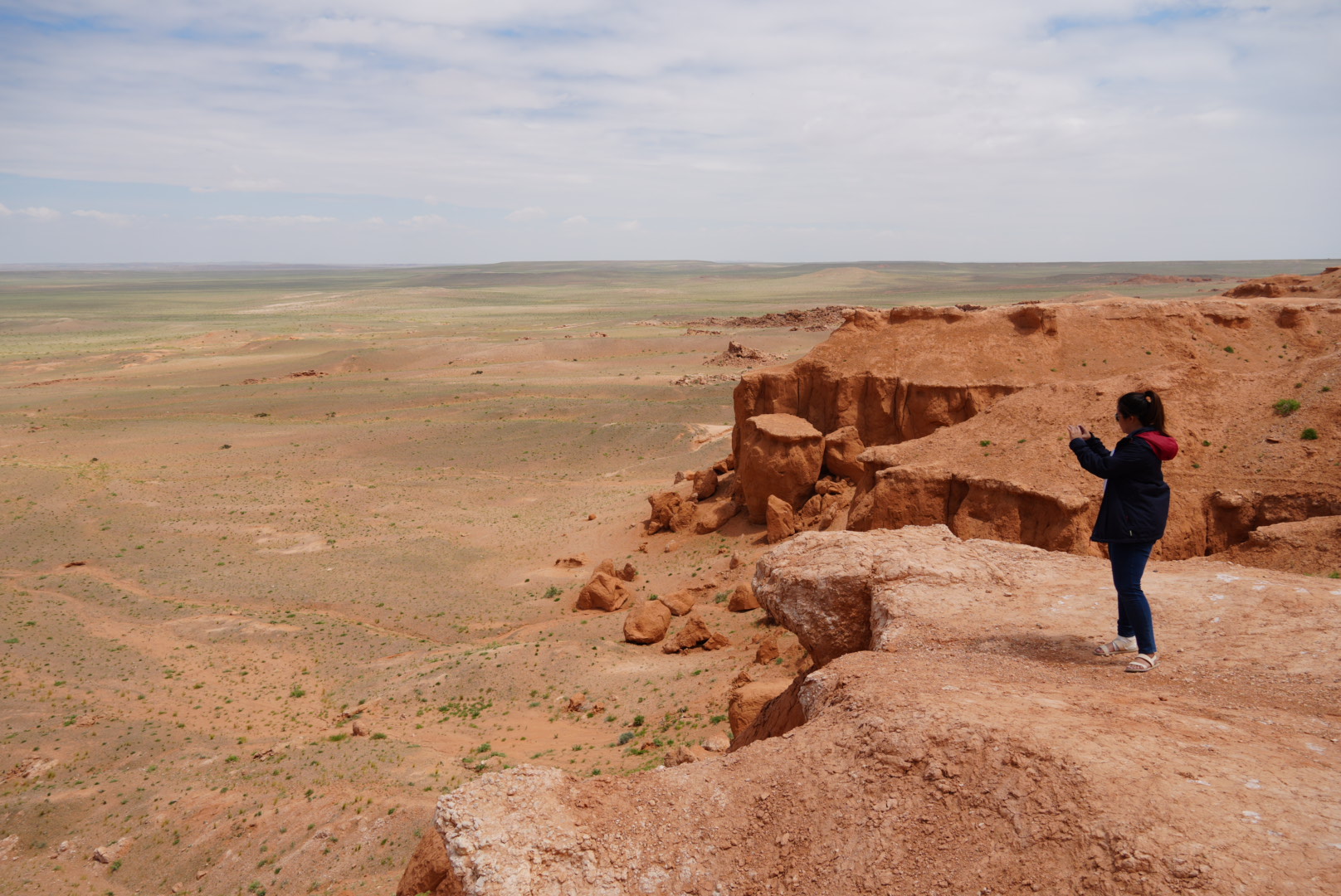
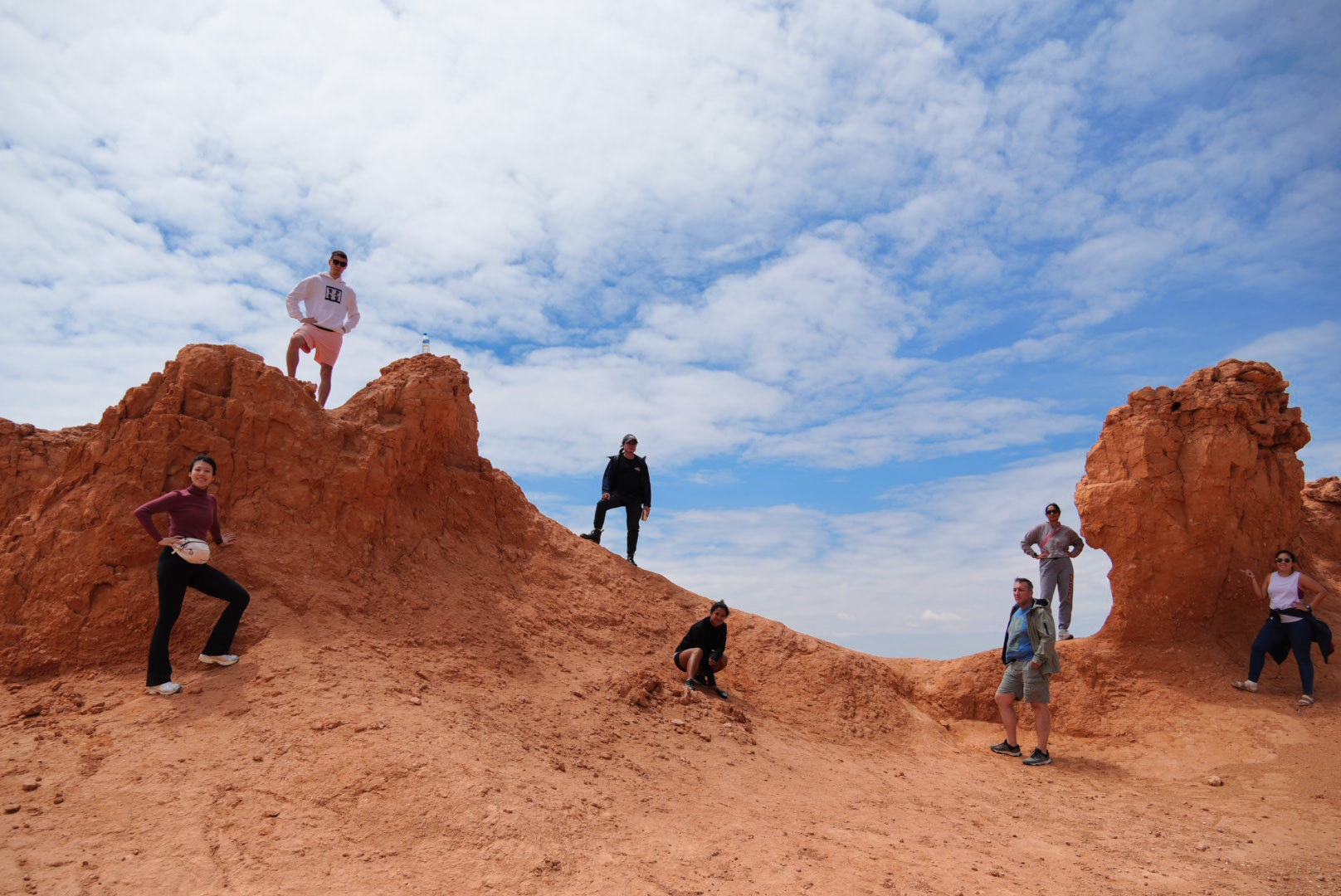
We also took a walk around this massive area.




After a quick lunch and more driving, we arrived at Ongi Monastery. Founded in 1660, it was one of the largest monasteries in Mongolia and there were over 1000 monks in this area at its peak.
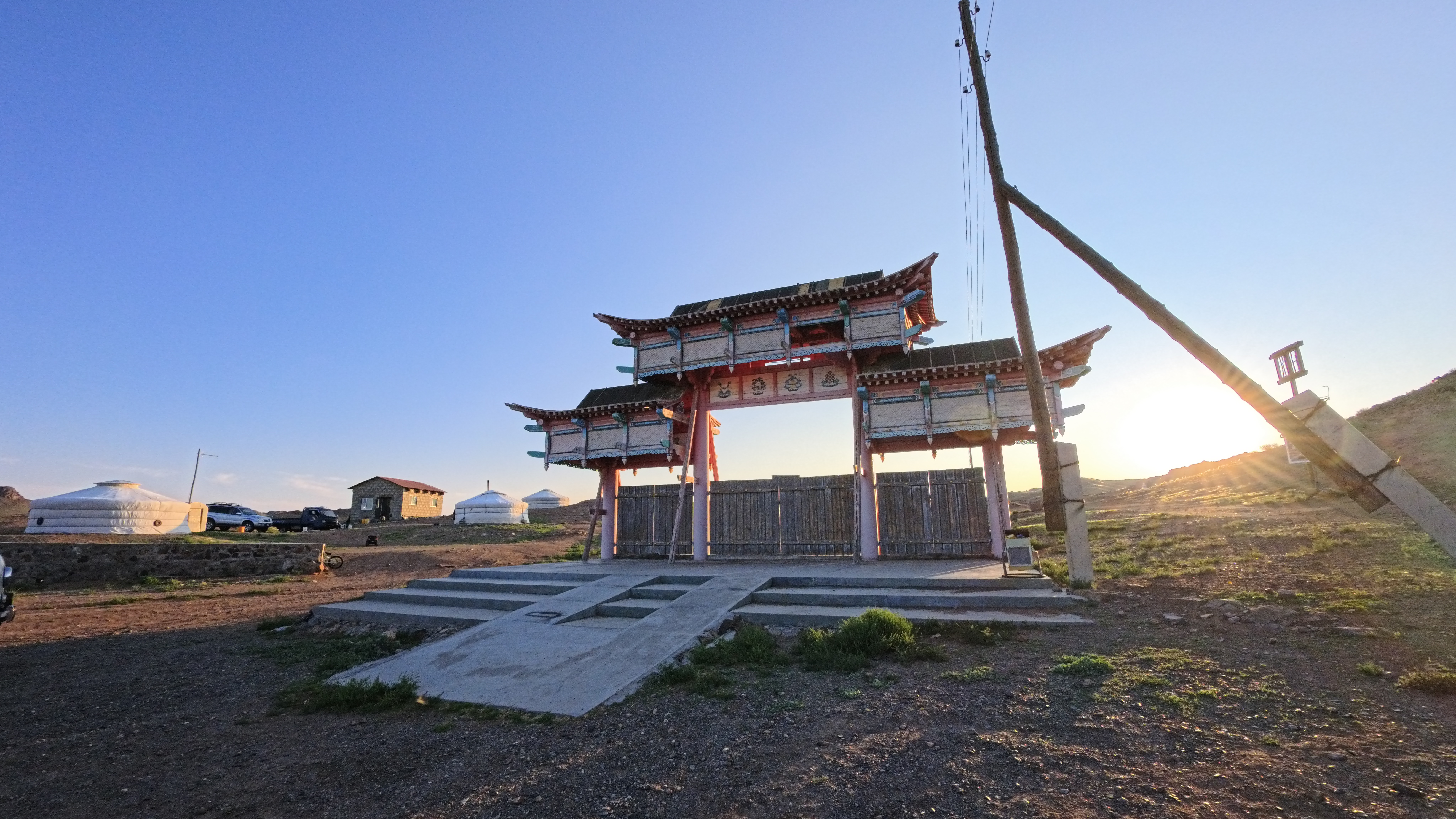


Many of the structures were unfortunately burned down during the Communist purges on religion. 200 monks were killed, and many others imprisoned or forced to serve the Soviet army.

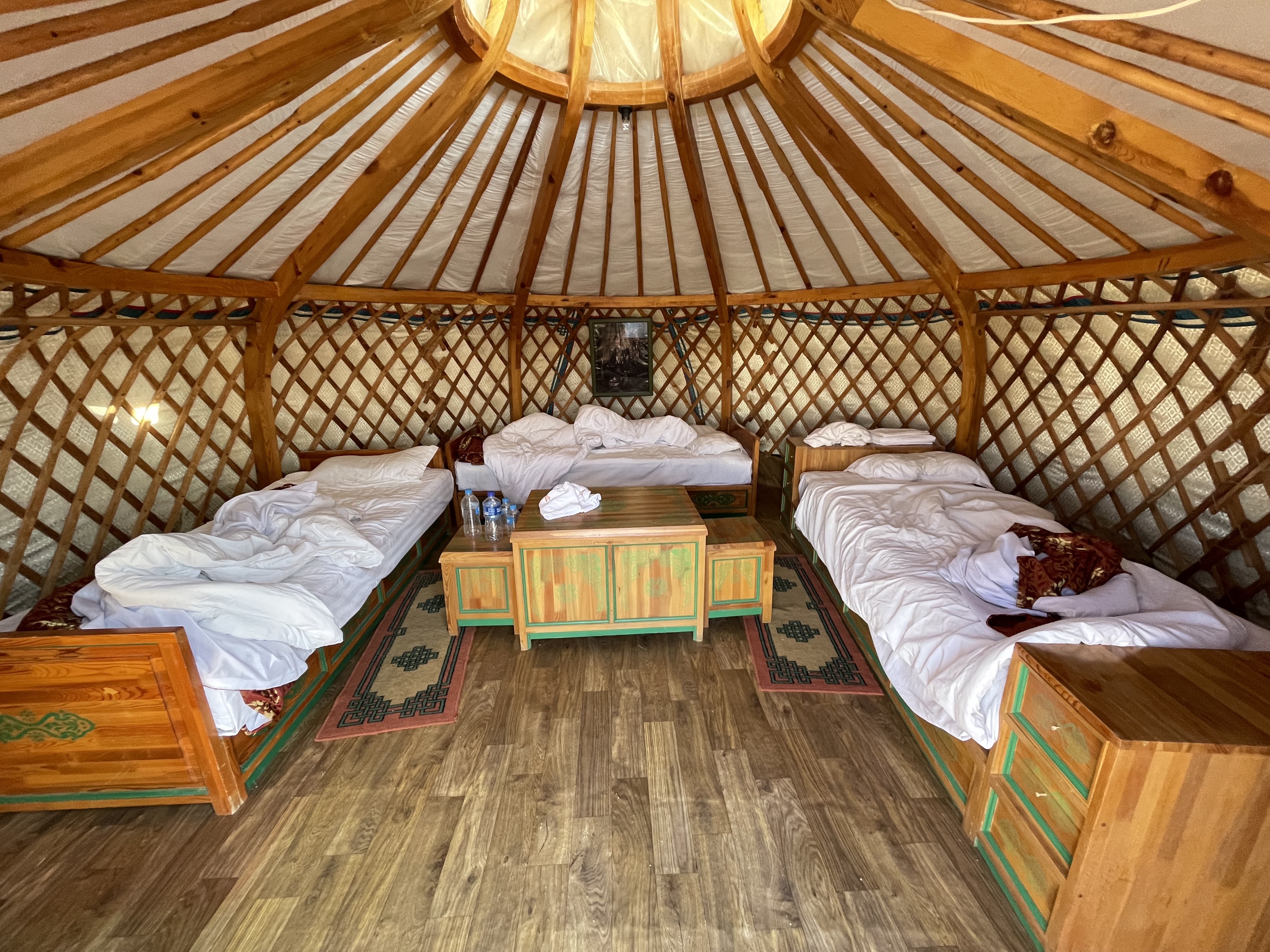
The night’s accommodation at a tourist ger:


At dinner, there was even a costume show of the various tribes in Mongolia.

Over dinner, we had an intense Q&A with our tour guide, Mando. We learned some cool information about Mongolians and the nomad life:
- A nomad wedding is an average 3-day event, hosting approximately 300 guests. During these few days, guests have to come at specified timings to wish the bride and groom.
- During a nomadic engagement, the groom’s family approaches the bride’s family to present gifts like silk. The proposal from the groom’s family is usually turned down the first two times. On the third attempt, the gift would be accepted, signifying that the proposal is a success.
- Contrary to popular opinion, the number of nomads are actually not dwindling. There are people living in the city that have uprooted their lives to take on the nomad life.
- If someone is keen to be a nomad, all he/she has to do is to register oneself with the government and pay a small fee. The land is for loan only, for up to 15 years, and you can set up your ger anywhere in the country.
- The traditional herd animals of the Mongolians — the five “jewels” or “snouts” – include yaks, camels, horses, sheeps, and goats. Among the list, goats are the highest taxed animal!
If this is the first time you’re reading about my Mongolia trip, check these other posts out:
- Karakorum, The Ancient City of the Mongol Empire
- Khongor Sand Dunes & Camel Riding
- Yol Valley & Frozen Valley
- White Stupa
Love,
Olly’25
 Conquering the world one step at a time.
4 thoughts on “Mongolia IV: The Origin Stories of Dinosaur Eggs!”